Virtual Office vs Physical Office: Which One Should You Choose?

Modern businesses are changing rapidly, and workspace requirements are evolving along with them. Startups, freelancers, ecommerce sellers, consultants, and even established companies are now exploring flexible office solutions to reduce costs and improve efficiency. One of the biggest decisions businesses face today is choosing between a virtual office and a physical office.
Both options have their own advantages and limitations. A physical office provides a dedicated workspace and traditional office environment, while a virtual office offers flexibility, affordability, and a professional business presence without the burden of renting office space.
If you are confused about which option is right for your business, this detailed guide from Team Cowork will help you understand the differences, benefits, costs, and ideal use cases of both office solutions.
What is a Virtual Office?
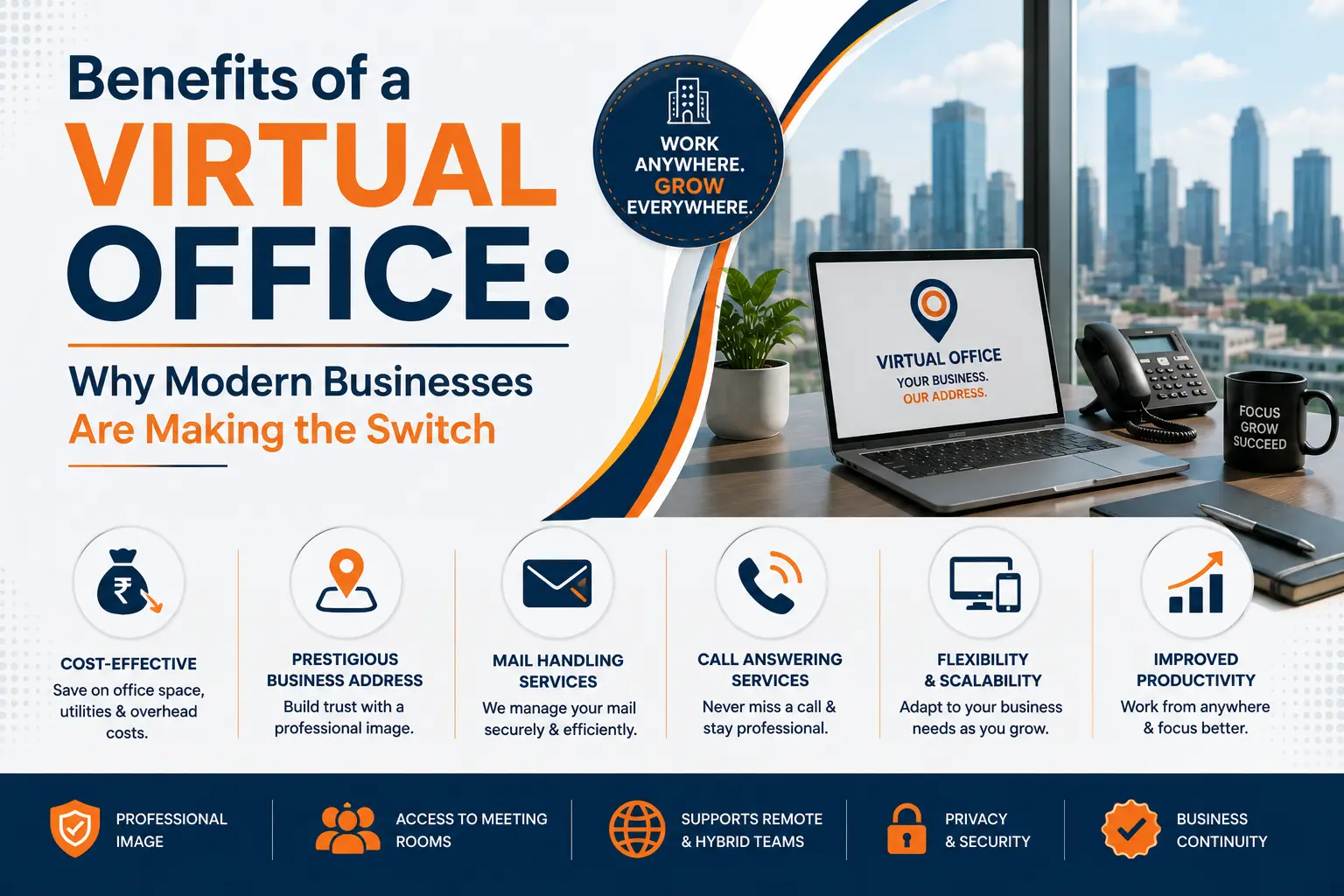
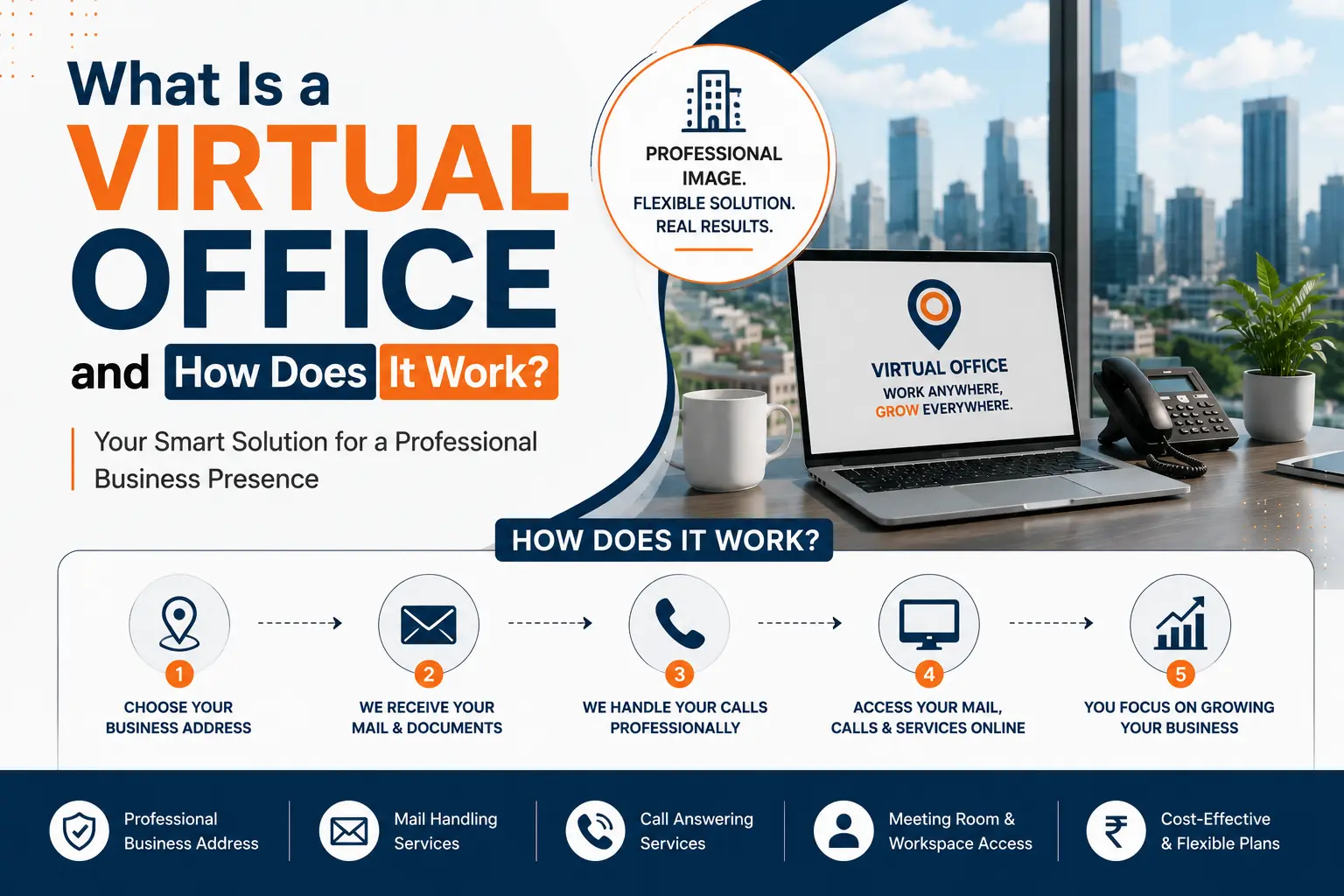
A virtual office is a service that allows businesses to use a professional commercial address without physically renting office space. Businesses can operate remotely while maintaining an official business presence in a city.
A virtual office usually includes:
- Professional business address
- GST registration support
- Company registration support
- Mail handling services
- Courier management
- Call handling (optional)
Virtual offices are becoming extremely popular among startups and remote businesses because they reduce operational costs significantly.
What is a Physical Office?
A physical office is a traditional workspace where employees and teams work from a dedicated office location. Businesses rent or purchase office space and manage infrastructure, utilities, furniture, and maintenance.
A physical office typically includes:
- Dedicated workspace
- Meeting rooms
- Office furniture
- Utility services
- Team collaboration space
Physical offices are commonly used by businesses that require daily in-person operations.
Virtual Office vs Physical Office Cost Comparison
One of the biggest reasons businesses choose virtual offices is affordability.
Physical Office Costs
A traditional office setup usually includes:
- Security deposit
- Monthly rent
- Furniture expenses
- Electricity bills
- Internet bills
- Office maintenance
- Staff management costs
These expenses can become difficult for startups and small businesses.
Virtual Office Costs
A virtual office is much more affordable because businesses only pay for services they need.
Businesses save money on:
- Office rent
- Maintenance
- Electricity
- Furniture
- Infrastructure
This allows businesses to invest more in marketing, growth, and operations.
Benefits of Virtual Office
1. Affordable Business Setup
A virtual office helps businesses establish a professional presence at a low cost. It is ideal for startups with limited budgets.
2. GST Registration Support
Businesses can use virtual office addresses for GST registration and company incorporation purposes.
Most virtual office providers offer:
- NOC
- Rent agreement
- Utility bill
- Address proof
These documents are required for GST registration.
3. Work from Anywhere
A virtual office allows businesses to operate remotely from any location while maintaining a professional business address.
This flexibility is highly useful for:
- Freelancers
- Remote teams
- Digital businesses
- Ecommerce sellers
4. Professional Business Presence
A premium commercial address improves brand credibility and customer trust.
Businesses appear more professional compared to using residential addresses.
5. Easy Expansion into New Cities
Businesses can expand into multiple cities without opening physical offices.
For example:
- A Delhi-based business can get a virtual office in Mumbai, Bangalore, or Hyderabad for expansion purposes.
Benefits of Physical Office
1. Better Team Collaboration
A physical office allows employees to collaborate directly in person.
This improves:
- Communication
- Team coordination
- Brainstorming sessions
2. Dedicated Workspace
Businesses requiring regular meetings or client interactions may benefit from a physical office environment.
3. Stronger Office Culture
Companies with larger teams often prefer physical offices to build workplace culture and employee engagement.
4. Better for Operational Businesses
Businesses involving:
- Warehousing
- Manufacturing
- Retail operations
- Offline services
usually require physical office setups.
Which Businesses Should Choose a Virtual Office?
A virtual office is ideal for:
Startups
Startups can reduce operational costs during the early stages of growth.
Freelancers
Freelancers can maintain a professional business address without renting office space.
Ecommerce Sellers
Online sellers often need GST registration and mailing addresses.
Consultants
Consultants working remotely can benefit from affordable business presence solutions.
Remote Businesses
Companies operating remotely can avoid unnecessary office expenses.
Which Businesses Should Choose a Physical Office?
A physical office is suitable for:
- Large teams
- Businesses with daily client meetings
- Retail companies
- Manufacturing businesses
- Operational companies requiring physical infrastructure
Virtual Office for GST Registration
One of the biggest advantages of a virtual office is GST registration support.
A virtual office helps businesses:
- Register GST legally
- Obtain professional address proof
- Expand into different states
- Maintain compliance
This is especially beneficial for:
- Ecommerce sellers
- Startups
- Agencies
- Online businesses
Is Virtual Office Legal in India?
Yes, virtual offices are legal in India when provided by legitimate service providers offering proper documentation.
Businesses can legally use virtual offices for:
- GST registration
- Company incorporation
- Mailing address
- Business communication
However, businesses should choose trusted providers like Team Cowork to ensure compliance and documentation support.
Challenges of Physical Offices
While physical offices offer several benefits, they also come with challenges.
High Costs
Monthly office expenses can become financially stressful.
Long-Term Commitments
Office leases often involve long-term contracts and deposits.
Maintenance Responsibility
Businesses must manage:
- Cleaning
- Repairs
- Utilities
- Security
Less Flexibility
Employees and teams need to work from fixed locations.
Why Startups Prefer Virtual Offices
Modern startups prioritize:
- Flexibility
- Low operational costs
- Remote work
- Scalability
Virtual offices perfectly support these goals.
Instead of spending large budgets on office rentals, startups can focus on:
- Marketing
- Product development
- Hiring
- Business growth
Virtual Office vs Physical Office for Remote Work
Remote work has transformed business operations globally.
A virtual office supports remote work by providing:
- Professional business address
- Legal registration support
- Mailing services
without requiring teams to work from one location.
This makes virtual offices highly suitable for modern businesses.
Why Ecommerce Businesses Use Virtual Offices
Ecommerce sellers on platforms like:
- Amazon
- Flipkart
- Meesho
often need:
- GST registration
- Business address
- Mail handling services
A virtual office provides these services affordably and efficiently.
Why Team Cowork is a Trusted Virtual Office Provider
Team Cowork offers reliable virtual office solutions designed for startups, freelancers, ecommerce sellers, and growing businesses.
Services Offered:
- Virtual office for GST registration
- Company registration support
- Professional business address
- Mail handling services
- Affordable pricing plans
We help businesses establish a professional presence without unnecessary expenses.
Future of Office Spaces
The future of work is becoming more flexible and digital. Many businesses now prefer hybrid or remote work models.
Virtual offices are growing because they:
- Reduce costs
- Improve flexibility
- Support remote operations
- Simplify business expansion
As remote work continues increasing, virtual offices will become even more popular among startups and modern businesses.
Conclusion
Both virtual offices and physical offices have their own advantages depending on business requirements. A physical office is ideal for companies needing dedicated workspace and in-person collaboration. However, it comes with high operational costs and long-term commitments.
A virtual office is a smarter and more affordable solution for startups, freelancers, ecommerce sellers, consultants, and remote businesses. It helps businesses maintain a professional presence, complete GST registration, and reduce unnecessary office expenses.
If you are looking for a reliable and affordable virtual office solution, Team Cowork offers professional business addresses, GST-compliant documentation, and complete business setup support across India.
Choosing the right office solution depends on your business goals, budget, and operational needs. For businesses prioritizing flexibility and affordability, a virtual office is often the best choice.